Black Rice: Nutrition, Benefits, How to Cook It

What Is Black Rice?
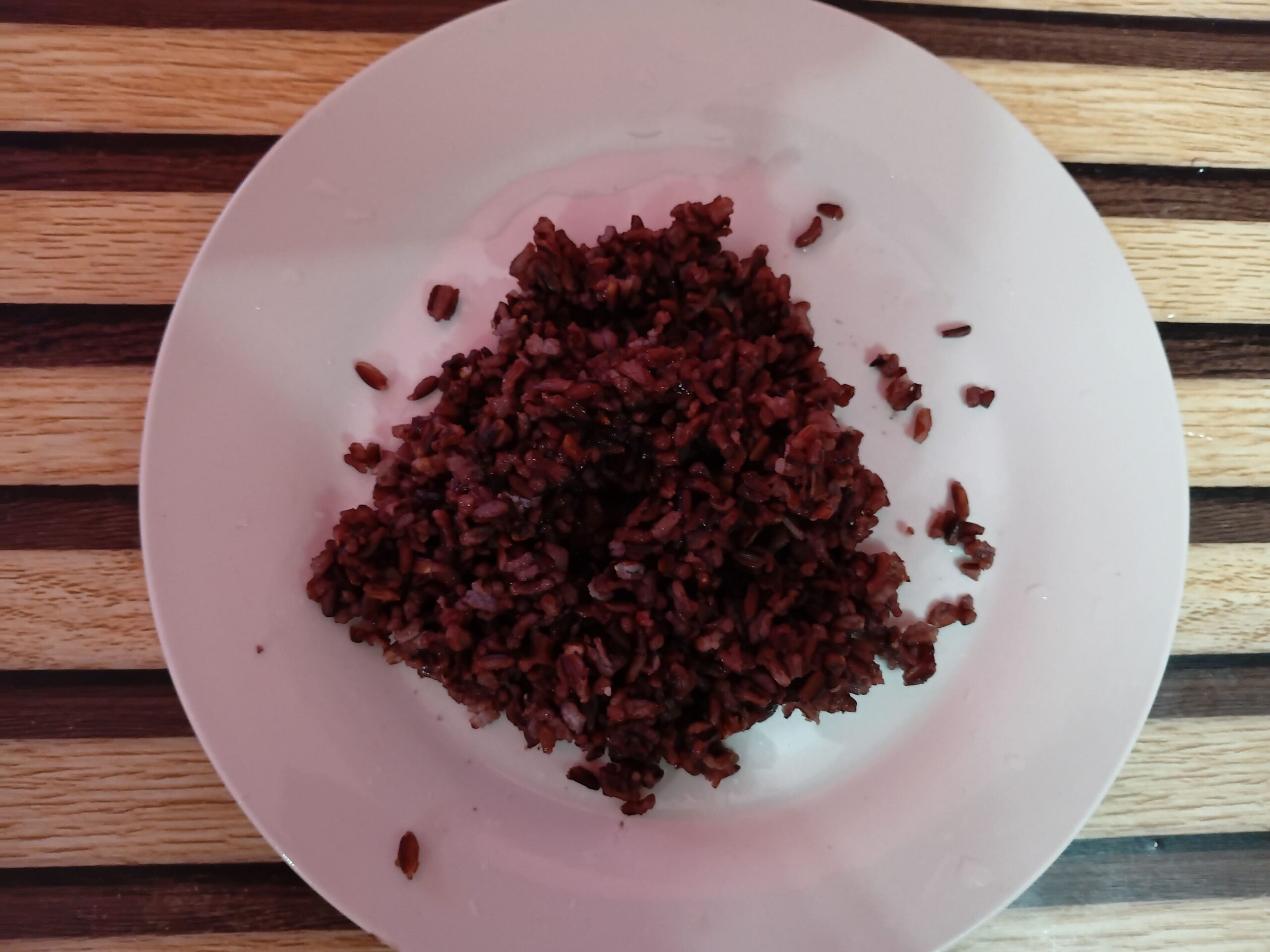
Black rice is a naturally dark-colored rice variety with a slightly nutty flavor and chewy texture. Its deep purple-black color comes primarily from anthocyanins, plant pigments also found in foods such as blueberries and purple sweet potatoes.
Unlike white rice, black rice generally retains more of its outer grain layers, giving it a firmer texture and a different nutritional profile.
Black rice can be used in many of the same meals as other types of rice, including rice bowls, stir-fries, salads, and side dishes.
My Experience Eating Black Rice
Black Rice is much tastier and fulfilling than just normal white rice. I've been eating black rice for several years now but finally made the switch from white rice to black rice recently.
I have more energy and feel stronger in general after consuming black rice. The higher Zinc content in black rice helps balance male hormones and increase sex drive in men.
Black Rice Nutrition
| Nutrient | Black Rice (Cooked, per 100g) |
|---|---|
| Calories | ~145 kcal |
| Carbohydrates | ~34 g |
| Protein | ~3.0 g |
| Fat | ~0.7 g |
| Fiber | ~2.0 g |
| Iron | ~0.8 mg |
| Magnesium | ~35 mg |
| Manganese | ~1.1 mg |
| Zinc | ~1.0 mg |
| Anthocyanins | High |
Black rice provides carbohydrates that can serve as an important source of energy. Because it generally retains its outer grain layers, it also provides dietary fiber and naturally occurring plant compounds.
The exact nutritional content varies by variety and serving size, so check the nutrition label when available.
One of the most notable characteristics of black rice is its anthocyanin content. These pigments give the rice its distinctive dark color and have antioxidant activity.
Benefits of Black Rice
1. Contains Anthocyanins
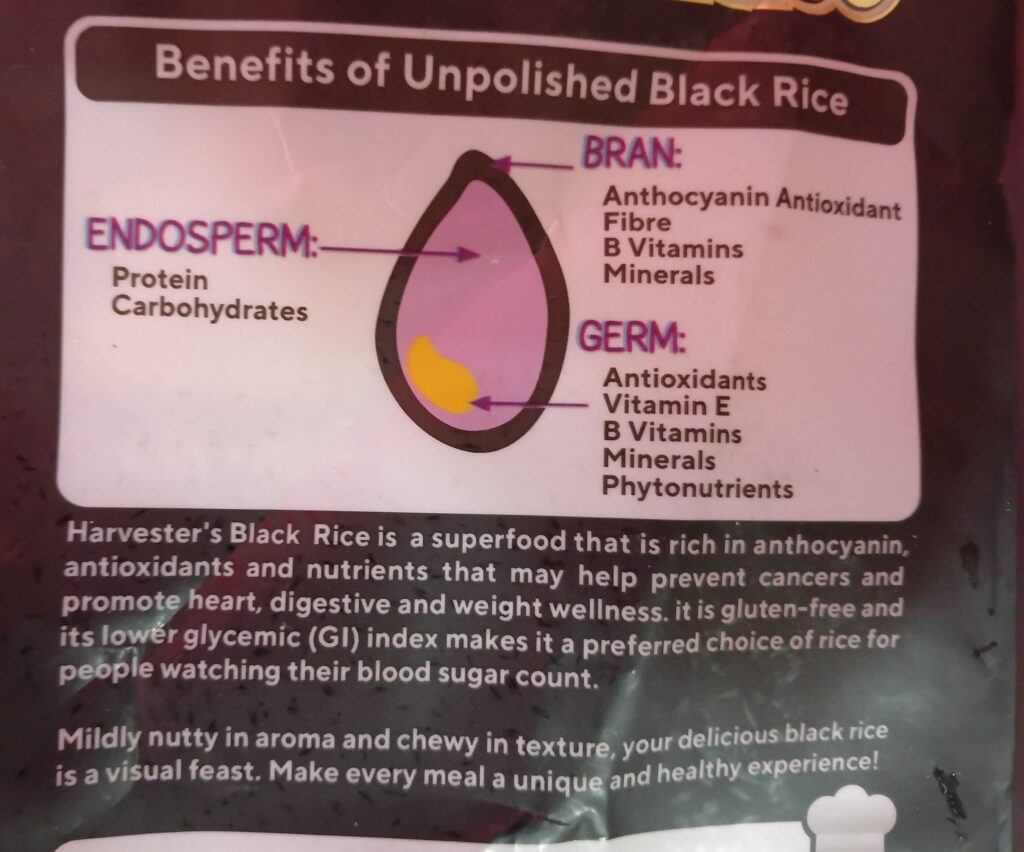
Black rice contains anthocyanins, naturally occurring plant pigments with antioxidant properties. These compounds are responsible for much of its dark color.
2. Provides Fiber
Because black rice generally retains more of its outer grain layers than white rice, it can provide dietary fiber as part of a balanced diet.
3. Provides Energy
Like other types of rice, black rice provides carbohydrates that your body can use for energy.
4. Adds Variety to Your Diet
Black rice gives you another option when you want to change the flavor, texture, and appearance of your meals.
5. Naturally Gluten-Free
Rice is naturally gluten-free, including black rice. If you need to avoid gluten strictly, check packaged products for potential cross-contact.
Black Rice vs. White Rice
Black rice and white rice differ primarily in processing, appearance, texture, and nutritional composition.
White rice is more highly milled, while black rice generally retains more of its outer grain layers. Black rice therefore tends to have a chewier texture, stronger flavor, and more plant compounds such as anthocyanins.
That doesn't mean white rice can't be part of a healthy diet. Both can have a place in a balanced diet.
Black Rice vs. Brown Rice
Black rice and brown rice are both less refined than white rice and retain more of the grain's outer layers.
Brown rice has a familiar nutty flavor, while black rice tends to have a deeper color, chewier texture, and slightly more distinctive flavor.
Black rice also contains anthocyanins that give it its characteristic dark color.
Both are useful options, so you don't necessarily have to choose only one.
How to Cook Black Rice
Rinse the rice under cool water before cooking to remove excess starch and surface debris.
Add the rice and water to a pot and bring it to a boil. Reduce the heat, cover the pot, and simmer until the grains become tender.
Cooking times and water requirements vary between varieties, so follow the package instructions when available.
After cooking, let the rice rest briefly before fluffing it with a fork.
Black rice generally takes longer to cook than white rice because of its intact outer layers.
How to Eat Black Rice
You can use black rice in many of the same meals where you would normally use other rice.
Try it with vegetables and a protein source, use it as the base of a rice bowl, or add it to a salad or stir-fry.
It can also work in breakfast dishes and desserts when prepared with milk or a plant-based alternative and combined with fruit.
The easiest way to start is simply to replace the rice you normally eat with black rice and see whether you prefer its flavor and texture.
Where to Buy Black Rice
If you want to try black rice for yourself, here are a few options you can find on Amazon:
- Black Rice: RiceSelect Black Rice, Whole-Grain Rice
- Organic Black Rice: Bgreen Organic Black Rice
- Kosher Black Rice: Yupik Organic Ancient Black Rice
Prices and availability may vary.
Is Black Rice Healthy?
Black rice can be a nutritious addition to a balanced diet. It provides carbohydrates, fiber, and naturally occurring plant compounds, including anthocyanins.
However, no single food determines whether your overall diet is healthy. What matters most is the quality of your diet as a whole.
How you prepare black rice matters as well. A simple serving of black rice with vegetables and a protein source is very different nutritionally from a dish loaded with added sugar, butter, or highly processed sauces.
Frequently Asked Questions
Why is black rice black?
Black rice gets its dark purple-black color primarily from anthocyanin pigments found in the outer layers of the grain.
Does black rice taste different from white rice?
Yes. Black rice generally has a nuttier flavor and chewier texture than white rice.
Is black rice a whole grain?
Many black rice varieties are considered whole-grain rice because the bran, germ, and endosperm remain intact.
Is black rice gluten-free?
Rice is naturally gluten-free, so black rice is naturally gluten-free as well.
Does black rice take longer to cook?
Generally, yes. Black rice often takes longer to cook than white rice because its outer layers remain intact.
Can you eat black rice every day?
Black rice can be part of a regular diet, although eating a variety of whole grains and other foods can provide a broader range of nutrients.
Final Takeaway
Black rice is a flavorful alternative to ordinary white or brown rice. Its chewy texture, distinctive color, fiber, and naturally occurring anthocyanins make it an interesting addition to a varied diet.
And sometimes the best way to discover whether a food belongs in your diet is simply to eat it yourself, pay attention, and document the experience.
